

Compare prices and check availability for automatic car hire across Brazil, then choose the right car size for your group and itinerary.
Why Choose Automatic Car Hire
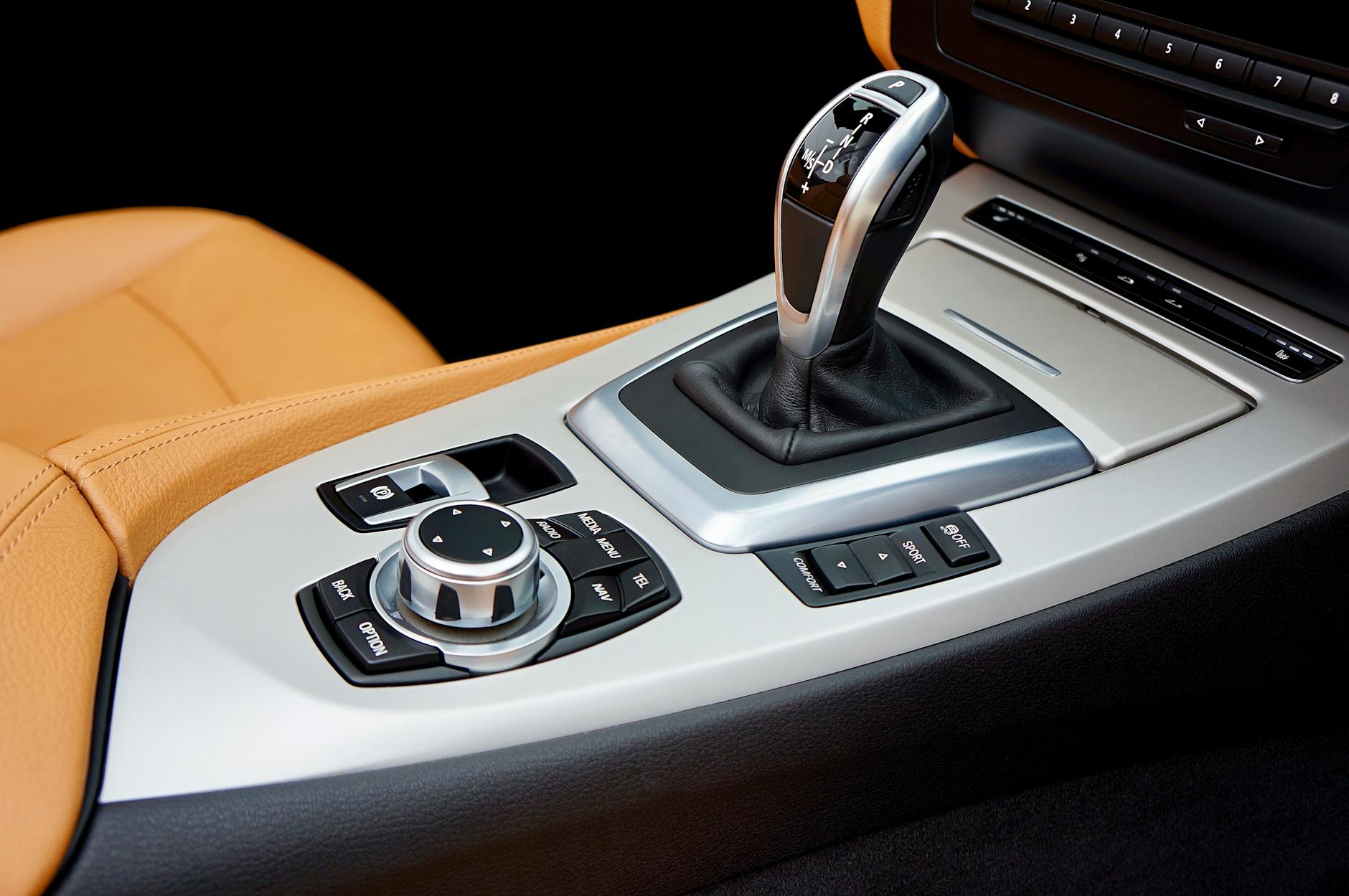
Automatic cars simplify driving in heavy urban traffic and on unfamiliar roads. They suit families and groups who want a relaxed trip without frequent gear changes.
What Types of Automatic Cars Are Available
Brazil’s rental fleets cover economy hatchbacks, compact saloons, SUVs and a handful of 7 Seater people carriers. Small automatics are common in city locations. SUVs are widely available for longer journeys and coast-to-coast driving.
- Economy hatchbacks. Good for city parking and tight streets.
- Compact saloons. More luggage room for couples and small families.
- SUVs. Better ground clearance for regional highways and coastal roads.
- 7 Seater and 8 Seater vans. Useful for large families and groups.
Ask the supplier whether the car has a conventional automatic gearbox or a CVT. Some models feel different on hills and at motorway speeds.
Picking Up and Returning Your Rental Car
Major airports and big-city branches usually have staffed counters. Some companies keep vehicles in a dedicated rental area on airport grounds. In that case you will take a short shuttle bus from the arrivals or ground-transport zone to the car park. Plan an extra 10 to 30 minutes for shuttle and paperwork.
Keep the same pick-up and drop-off times to avoid a late-fee. Photograph dings and note fuel level before you drive away. If you return outside office hours, follow the supplier’s instructions for keys and inspection paperwork.
Popular pickup locations
– São Paulo Guarulhos (GRU) — main international hub with broad rental desk options
– São Paulo Congonhas (CGH) — ideal for domestic arrivals and quick city access
– Rio de Janeiro Galeão (GIG) — international flights and frequent tourist routes
– Rio de Janeiro Santos Dumont (SDU) — downtown convenience for central hotels
– Brasília (BSB) — government and business travellers choose airport collections
– Belo Horizonte Confins (CNF) — gateway to Minas Gerais and regional roads
– Salvador (SSA) — coastal base for exploring Bahia and nearby beaches
– Fortaleza (FOR) — common for beach routes and north-east itineraries
– Porto Alegre (POA) — southern hub for regional travel and road trips
– Recife (REC) — popular for coastal travel in Pernambuco and nearby islands
– Florianópolis (FLN) — island access and holidaymaker convenience
– Campinas Viracopos (VCP) — alternative for São Paulo region and lower fees
How Much Does Automatic Car Hire Cost
Prices vary by season, location and car class. Economy automatics typically cost less than SUVs and 7 Seaters. Airport collections can attract an additional fee compared with city branches.
| Car Type | Typical Manual Cost | Typical Automatic Cost |
|---|---|---|
| Economy / Compact | Lower | Moderate |
| Family Saloon | Moderate | Higher |
| SUV | Higher | Higher still |
| 7 Seater / People carrier | High | High |
Main takeaway. Expect to pay a small premium for automatic transmission. Booking in advance reduces the risk of price spikes during busy events.
| Item | Why It Matters | What to Look For |
|---|---|---|
| Fuel policy | Affects final cost | Prefer full-to-full for fairness |
| Insurance cover | Reduces financial risk | Check excess and CDW terms |
| One-way fees | Can add significantly | Confirm any drop charges |
| Airport surcharge | Common at airports | Compare airport vs city prices |
Short note. Use the second table as a checklist before booking. It helps avoid last-minute surprises.
Documents Needed for Automatic Car Hire
Visitors may drive in Brazil using a valid driving licence from their home country for up to 180 days after arrival. Carry the licence and your passport while driving. An International Driving Permit is recommended if your licence is not in Portuguese or English.
- Valid driving licence in the renter’s name
- Passport or official photo ID
- Credit card for the security hold
- Booking confirmation and contact phone number
Tips for Driving Abroad in Brazil
Plan journeys to avoid peak urban congestion. São Paulo and Rio have predictable rush hours during weekdays. In São Paulo the busiest periods are typically early mornings and late afternoons. Allow large buffers for journeys into or out of the city.
- Expect tolls on major intercity highways. Keep a card or small change handy.
- Use official petrol stations in towns and cities. Fuel grades are marked in Portuguese.
- Park in guarded car parks in city centres. Street parking can be restricted.
- Check whether local driving restrictions apply. Cities like São Paulo restrict vehicles during peak hours.
Final Advice Before Booking Your Automatic Car
Book automatics early for Carnival, summer holidays and big events. Car supply tightens and prices rise during peak dates and major festivals. Allow time for airport pick-up and check local driving rules before you travel.
Keep copies of insurance paperwork in the car. Confirm all extra fees before signing the agreement. A calm, well-prepared hire makes group travel far easier.
Frequently asked questions — Automatic Car Hire Brazil
- Can I drive in Brazil with a UK driving licence? Yes. You can drive with a valid foreign licence for up to 180 days from arrival. An IDP is recommended if your licence is not in Portuguese.
- Are automatics common in Brazil? Yes. Automatics are widely available in airports and major cities.
- Do rental desks at GRU use a shuttle? Many airport counters are followed by a short shuttle to the on-site rental area. Expect 5 to 15 minutes transfer time.
- Are there driving restrictions in São Paulo? Yes. The municipal vehicle restriction operates during peak hours, typically 07:00–10:00 and 17:00–20:00. Check local updates before you drive.
- Is automatic hire more expensive? It usually carries a modest premium over manual models, especially for small economy cars.
- Are child seats required? Child restraints are required by law for young children. Request seats when booking to guarantee availability.
- Can I cross borders into neighbouring countries? Not all rentals allow cross-border travel. Get written permission from the supplier and extra insurance if needed.
- How do tolls work? Tolls are common on long-distance routes. Many roads accept credit cards. Keep local currency for smaller toll booths.
- What about parking safety? Use guarded lots or hotel parking. Avoid leaving valuables visible in parked cars.